Christie & Grey offer expert vibration and shock isolation products for marine propulsion systems.

These systems operate continuously in challenging and dynamic marine environments. Marine engine mounts are developed to provide effective isolation of marine vibration, reducing the transmission of vibration to the vessel structure.

These solutions serve propulsion systems in naval, offshore, military, and commercial vessels, where reliability, stability, and long-term structural protection are crucial.

Propulsion Isolation Solutions

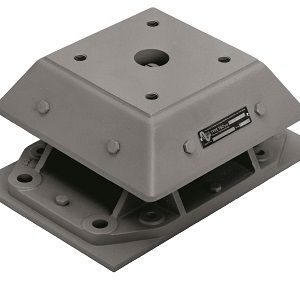
The Christie & Grey Marine Propulsion range consists of purpose-designed rubber and combined rubber-and-spring mounts for diesel propulsion engines. Each system is designed to support engine movement and stability while controlling consistent vibration. As a subset of the Christie & Grey marine vibration solutions product line, the products have been tested for propulsion performance as well as long-term equipment protection.

Explore Sub-categories

Frequently Asked Questions

Are these propulsion isolation systems suitable for harsh marine environments?

Yes. They are designed and tested for constant motion, moisture exposure, and variable operational loads.

How do propulsion isolation systems contribute to equipment longevity?

They limit mechanical stress and vibration transmission, improving operational stability and extending service life.

How do rubber and rubber-spring mountings differ in marine propulsion applications?

Rubber mountings provide damping and flexibility, while rubber-and-spring combinations offer improved low-frequency isolation and support higher dynamic loads.

What types of marine propulsion engines can these isolation systems support?

They are developed for diesel propulsion engines across naval, offshore, military, and commercial vessels.

Why is vibration isolation critical for marine propulsion systems?

Marine propulsion systems operate under continuous dynamic loading caused by engine operation, vessel motion, and sea conditions. Effective vibration isolation reduces vibration transmission, protecting equipment and structural integrity.

For further information or enquiries