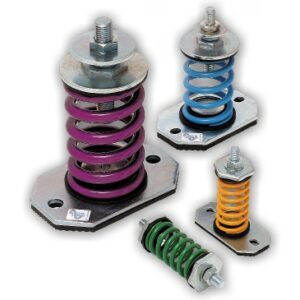
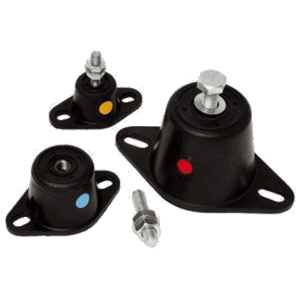
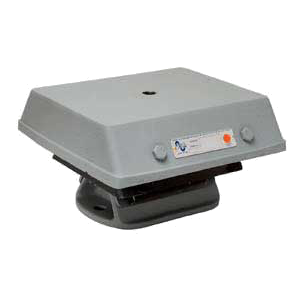
Christie & Grey offer specialist vibration isolation solutions for power generation equipment where reliability, stability, and service life are vital.

The systems are designed to minimise vibration and structure-borne noise transmission, protect supporting structures, and reduce the impact of dynamic loading on connected services.

Read more

Continuous low-frequency vibration is generated by power generation equipment such as industrial generators, diesel engines, and related plant. These forces are produced through rotational movement, combustion processes, and variable load conditions. Without effective isolation, vibration may be transmitted into surrounding structures and foundations, leading to noise and long-term fatigue.

Christie & Grey isolation systems assist in protecting critical power installations across industrial, commercial, and essential backup applications. Vibration control at the source helps extend equipment lifespan, reduce maintenance requirements, and enhance long-term operational reliability.
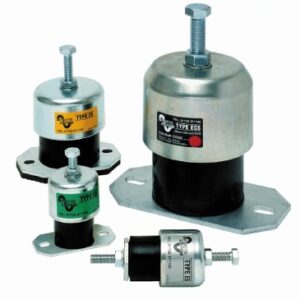
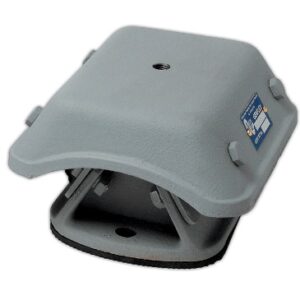
Proven anti-vibration expertise

Rotating or reciprocating equipment is often located in close proximity to other machinery within industrial plant environments. These conditions require effective control of vibration and noise propagating through structural elements. Our industrial range includes equipment such as fans, pumps, air handling units, compressors, and other mechanical plant. Each application presents different isolation requirements based on operating speed, load characteristics, and installation location. Christie & Grey works to ensure that appropriate isolation solutions are specified for each installation, supporting equipment performance and maintaining structural integrity.

Explore Sub-categories

Frequently Asked Questions

Can vibration isolation help reduce noise from diesel engines?

Yes. By reducing vibration transmitted through structures, isolation systems help limit noise propagation into surrounding areas, particularly where noise control is critical for comfort or environmental requirements.

How is the correct isolation system specified for a power generation installation?

Christie & Grey evaluates equipment loads, operating speeds, foundation design, and site conditions for each project. Isolation systems are then specified to meet defined performance requirements and operational objectives.

What types of vibration isolation systems are used for generators?

Generators are commonly isolated using rubber, spring, or combined spring-and-rubber systems. Selection is based on equipment weight, operating frequency, start-up behaviour, and required isolation performance.

Why is low-frequency vibration difficult to control in generators?

Low-frequency vibration carries higher energy and can propagate over longer distances through building structures and services. Effective control depends on selecting isolation systems compatible with operating speed, load, and installation conditions.

For further information or enquiries