Christie & Grey offer specialist HVAC vibration isolation solutions for fans and air handling units in industrial and building services settings.
Our isolation mounts and spring systems are designed to control vibration at the source, protect supporting structures, and help maintain quieter, more comfortable internal spaces.
Fans and AHUs generate vibration through rotating components, airflow turbulence, and varying operating loads. Without effective isolation, this vibration may be transferred into floors, ductwork, and building structures, causing rumbling, drumming, and structure-borne noise within buildings. Christie & Grey solutions are designed to address these issues directly, supporting plant performance and maintaining structural integrity over the long term.
Our products include a wide range of anti-vibration fan mounts, including axial and centrifugal fan isolators, combined rubber-and-spring systems, and customised anti-vibration fan mounts selected to suit speed, load, and installation conditions. Each system is designed to provide effective vibration isolation and maintain stable, efficient plant operation.
Explore Products
-
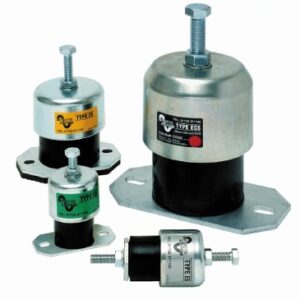
Enclosed Spring Mountings
Type ESB, ES, ES25, ECS25 and ECS50
Learn more -
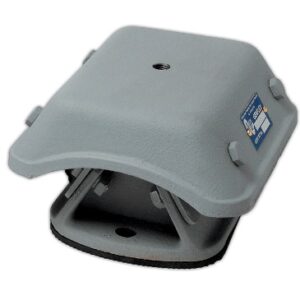
Genflex
For Industrial, Marine and Mobile Application
Learn more -
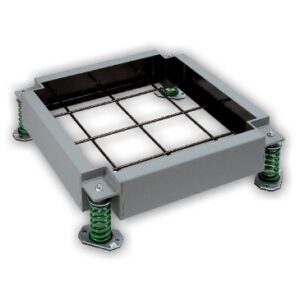
Inertia Pouring Frames
Type IPF
Learn more -
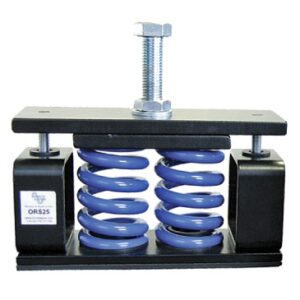
Open Restrained Springs
Type ORS25 and ORS50
Learn more -
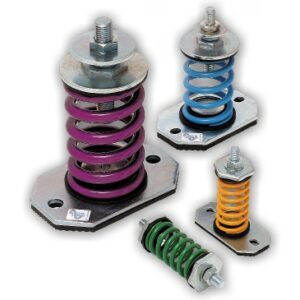
Open Spring Mountings
Type OSB, OSS and OS
Learn more -
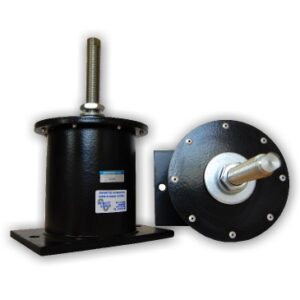
Silione Fluid Dampers
Type MD/3
Learn more